by Masoud Loghmani
by Oren Katzeff • October 7, 2026
Finding love and creating the spark wasn’t enough. What mattered was what came next: How do you bring it to life, nurture it, and sustain it?
Today, the entertainment business is confronting its own version of Heavy D’s question. Thanks to technology, the newfound ease of production, and the proliferation of social and streaming platforms, everyone from creators to producers to studios is asking:
Now that we’ve made our masterpiece, what are we going to do with it?
Because producing the content is increasingly just the first step. The harder questions are becoming: How will people discover it? Why do they watch it? And how will we make money on it once they do?
For most of entertainment history, production was the moat. Making a film, television series or high-quality animated project took enormous amounts of money, people, equipment, and time. Even a brilliant idea placed one big obstacle between you and the audience: actually making the thing.
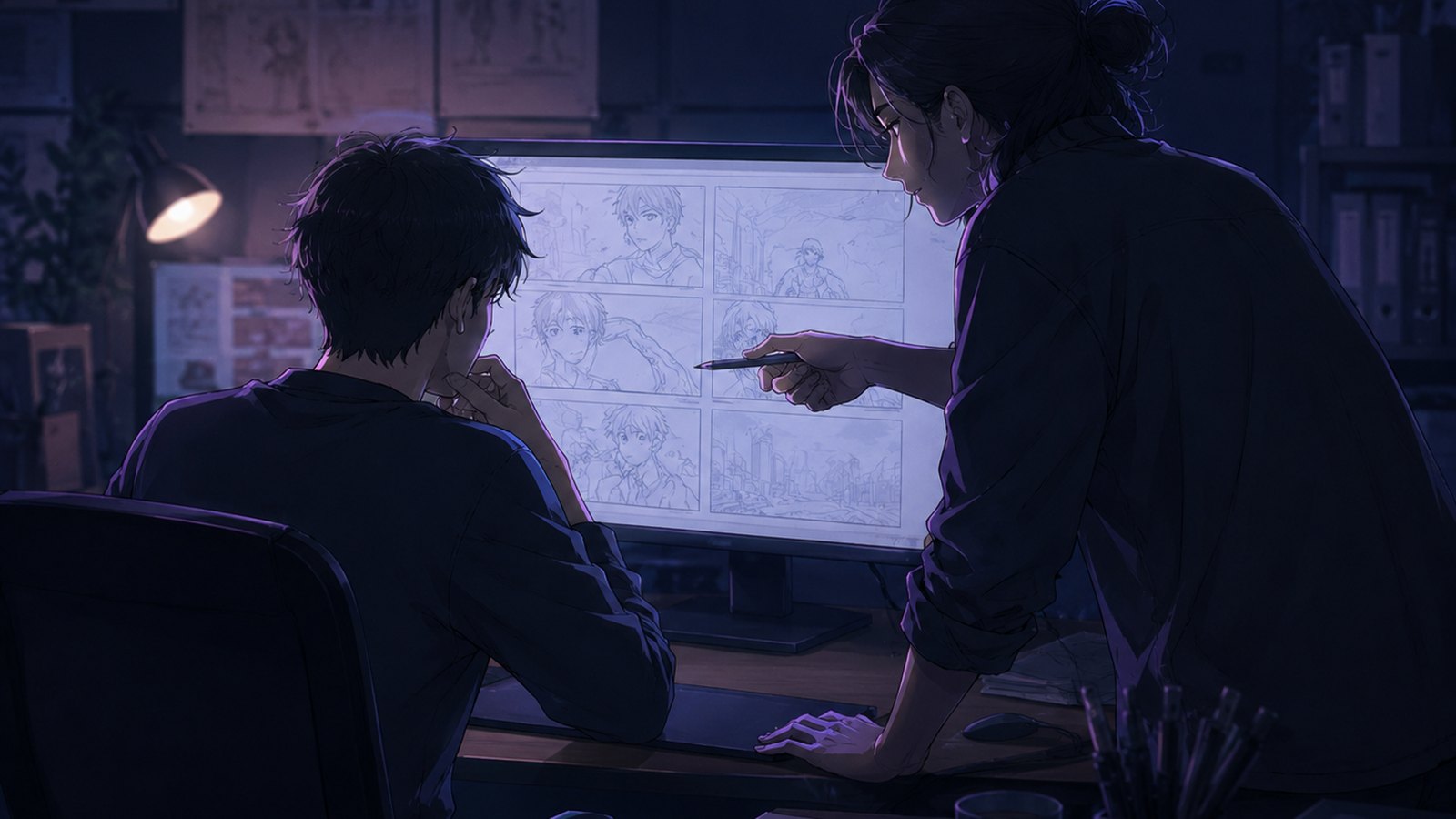
AI is dismantling that obstacle very quickly. Small teams can now do what once required studio-scale budgets and schedules. Individual creators are gaining access to tools that would have looked like studio infrastructure not very long ago.
But when everyone can make more, everyone does make more. The scarcest resource in entertainment isn't production capacity. It's attention.
And the competition for attention doesn’t only come from Netflix, Disney+, YouTube, and the rest of the streamer programming. It comes from Instagram, Fortnite, podcasts, and the 15 text messages that have stacked up while you read this. The device that we still refer to as a phone is probably used the least for that very purpose. It’s now more like a full entertainment center in your pocket, and every bit of polished content AI helps produce competes for the same few hours.
That’s wonderful for creativity and brutal for discovery. AI can help you make the needle. It can’t make people find it in the haystack.
Distribution has always mattered, and smart creators have always thought about audience during development. What’s new is the role that audiences, and the people who already have a relationship with the creative, can play inside the creative process itself.
The old sequence was fairly linear: Develop the idea. Produce it. Find a home for it. Then market it to an audience—or hope that an audience finds its way there. Distribution was something that happened after the creative work was done. That sequence breaks down when the market is flooded and the channels are scattered across streamers, social platforms, creator communities, and direct-to-audience models.
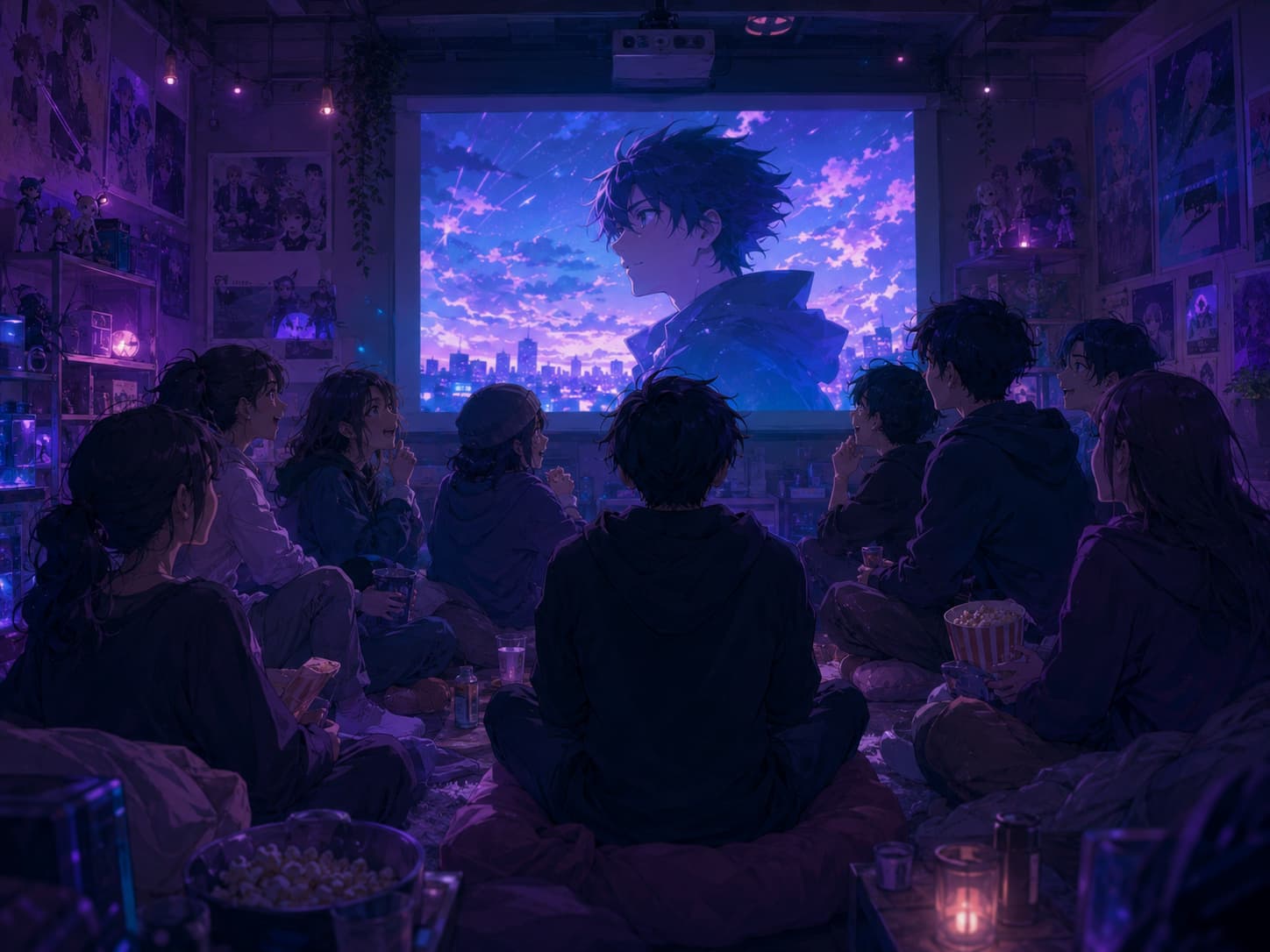
The alternative is to treat the audience as a building block of the project. Examples could include a creator with millions of followers, a passionate community that loves your IP and wants to build their own universes and storylines, or a brand with cultural credibility. These relationships shouldn’t only show up in the marketing plan after the show is finished. They can be part of the creative architecture from the start, shaping the project, extending it, and carrying it into their world.
This doesn't mean slowing down the creative process or only making content from already-popular IP. It means asking a different question: How can the right audience of fans help take an existing foundation of IP and breathe even more life into it?
We’re seeing this play out in our own projects at Studio Jadu. Fans have jumped at the chance to take characters from Jadu Originals, like SDF and Sentinels, and to tell their own stories with the IP. Search “#JaduQuest” on YouTube and you’ll find our “fanimators” having a blast creating their own versions of stories with our characters. Sure, fans have long been doing similar remixing and repurposing of their favorite stories, but Jadu is one of the first to conceive, plan, and craft IP with that explicitly in mind rather than it being an incidental phenomenon.
Across recent business development conversations, we’ve also heard a strong desire to build audience engagement into our partnership agreements. That desire isn’t limited to finished series. Partners want engagement woven into the early production process, often from the very inception of the IP - which aligns exactly with the passion that we feel for fans. We’ll have partnership announcements in the coming months that shed more light on exactly this point.
Making something is not the same as building something. The companies that win the next decade probably won’t be the ones with the best production technology, because that technology is improving fast and will be available to everyone. The advantage will come from the relationships around the technology: with creators, communities, brands, platforms, and audiences.
A few questions worth asking during the review process of an upcoming project:
Who already has a relationship with the audience we want?
What role could they play in the project, not just in its promotion?
If the production cost dropped to near zero tomorrow, what would still stand between this and an audience?
Production gets you a piece of content. An audience around it gives you something more durable.
So the smartest answer to the question, “Now that we've made our masterpiece, what are we going to do with it?” might just be: Start figuring that out before we make it.
If Heavy D was still with us today, I think he would approve.
by Masoud Loghmani
by Miquel Farré

by Masoud Loghmani
by Oren Katzeff • October 7, 2026
Finding love and creating the spark wasn’t enough. What mattered was what came next: How do you bring it to life, nurture it, and sustain it?
Today, the entertainment business is confronting its own version of Heavy D’s question. Thanks to technology, the newfound ease of production, and the proliferation of social and streaming platforms, everyone from creators to producers to studios is asking:
Now that we’ve made our masterpiece, what are we going to do with it?
Because producing the content is increasingly just the first step. The harder questions are becoming: How will people discover it? Why do they watch it? And how will we make money on it once they do?
For most of entertainment history, production was the moat. Making a film, television series or high-quality animated project took enormous amounts of money, people, equipment, and time. Even a brilliant idea placed one big obstacle between you and the audience: actually making the thing.
AI is dismantling that obstacle very quickly. Small teams can now do what once required studio-scale budgets and schedules. Individual creators are gaining access to tools that would have looked like studio infrastructure not very long ago.
But when everyone can make more, everyone does make more. The scarcest resource in entertainment isn't production capacity. It's attention.
And the competition for attention doesn’t only come from Netflix, Disney+, YouTube, and the rest of the streamer programming. It comes from Instagram, Fortnite, podcasts, and the 15 text messages that have stacked up while you read this. The device that we still refer to as a phone is probably used the least for that very purpose. It’s now more like a full entertainment center in your pocket, and every bit of polished content AI helps produce competes for the same few hours.
That’s wonderful for creativity and brutal for discovery. AI can help you make the needle. It can’t make people find it in the haystack.
Distribution has always mattered, and smart creators have always thought about audience during development. What’s new is the role that audiences, and the people who already have a relationship with the creative, can play inside the creative process itself.
The old sequence was fairly linear: Develop the idea. Produce it. Find a home for it. Then market it to an audience—or hope that an audience finds its way there. Distribution was something that happened after the creative work was done. That sequence breaks down when the market is flooded and the channels are scattered across streamers, social platforms, creator communities, and direct-to-audience models.
The alternative is to treat the audience as a building block of the project. Examples could include a creator with millions of followers, a passionate community that loves your IP and wants to build their own universes and storylines, or a brand with cultural credibility. These relationships shouldn’t only show up in the marketing plan after the show is finished. They can be part of the creative architecture from the start, shaping the project, extending it, and carrying it into their world.
This doesn't mean slowing down the creative process or only making content from already-popular IP. It means asking a different question: How can the right audience of fans help take an existing foundation of IP and breathe even more life into it?
We’re seeing this play out in our own projects at Studio Jadu. Fans have jumped at the chance to take characters from Jadu Originals, like SDF and Sentinels, and to tell their own stories with the IP. Search “#JaduQuest” on YouTube and you’ll find our “fanimators” having a blast creating their own versions of stories with our characters. Sure, fans have long been doing similar remixing and repurposing of their favorite stories, but Jadu is one of the first to conceive, plan, and craft IP with that explicitly in mind rather than it being an incidental phenomenon.
Across recent business development conversations, we’ve also heard a strong desire to build audience engagement into our partnership agreements. That desire isn’t limited to finished series. Partners want engagement woven into the early production process, often from the very inception of the IP - which aligns exactly with the passion that we feel for fans. We’ll have partnership announcements in the coming months that shed more light on exactly this point.
Making something is not the same as building something. The companies that win the next decade probably won’t be the ones with the best production technology, because that technology is improving fast and will be available to everyone. The advantage will come from the relationships around the technology: with creators, communities, brands, platforms, and audiences.
A few questions worth asking during the review process of an upcoming project:
Who already has a relationship with the audience we want?
What role could they play in the project, not just in its promotion?
If the production cost dropped to near zero tomorrow, what would still stand between this and an audience?
Production gets you a piece of content. An audience around it gives you something more durable.
So the smartest answer to the question, “Now that we've made our masterpiece, what are we going to do with it?” might just be: Start figuring that out before we make it.
If Heavy D was still with us today, I think he would approve.
by Masoud Loghmani
by Miquel Farré
by Masoud Loghmani
by Oren Katzeff • October 7, 2026
Finding love and creating the spark wasn’t enough. What mattered was what came next: How do you bring it to life, nurture it, and sustain it?
Today, the entertainment business is confronting its own version of Heavy D’s question. Thanks to technology, the newfound ease of production, and the proliferation of social and streaming platforms, everyone from creators to producers to studios is asking:
Now that we’ve made our masterpiece, what are we going to do with it?
Because producing the content is increasingly just the first step. The harder questions are becoming: How will people discover it? Why do they watch it? And how will we make money on it once they do?
For most of entertainment history, production was the moat. Making a film, television series or high-quality animated project took enormous amounts of money, people, equipment, and time. Even a brilliant idea placed one big obstacle between you and the audience: actually making the thing.
AI is dismantling that obstacle very quickly. Small teams can now do what once required studio-scale budgets and schedules. Individual creators are gaining access to tools that would have looked like studio infrastructure not very long ago.
But when everyone can make more, everyone does make more. The scarcest resource in entertainment isn't production capacity. It's attention.
And the competition for attention doesn’t only come from Netflix, Disney+, YouTube, and the rest of the streamer programming. It comes from Instagram, Fortnite, podcasts, and the 15 text messages that have stacked up while you read this. The device that we still refer to as a phone is probably used the least for that very purpose. It’s now more like a full entertainment center in your pocket, and every bit of polished content AI helps produce competes for the same few hours.
That’s wonderful for creativity and brutal for discovery. AI can help you make the needle. It can’t make people find it in the haystack.
Distribution has always mattered, and smart creators have always thought about audience during development. What’s new is the role that audiences, and the people who already have a relationship with the creative, can play inside the creative process itself.
The old sequence was fairly linear: Develop the idea. Produce it. Find a home for it. Then market it to an audience—or hope that an audience finds its way there. Distribution was something that happened after the creative work was done. That sequence breaks down when the market is flooded and the channels are scattered across streamers, social platforms, creator communities, and direct-to-audience models.
The alternative is to treat the audience as a building block of the project. Examples could include a creator with millions of followers, a passionate community that loves your IP and wants to build their own universes and storylines, or a brand with cultural credibility. These relationships shouldn’t only show up in the marketing plan after the show is finished. They can be part of the creative architecture from the start, shaping the project, extending it, and carrying it into their world.
This doesn't mean slowing down the creative process or only making content from already-popular IP. It means asking a different question: How can the right audience of fans help take an existing foundation of IP and breathe even more life into it?
We’re seeing this play out in our own projects at Studio Jadu. Fans have jumped at the chance to take characters from Jadu Originals, like SDF and Sentinels, and to tell their own stories with the IP. Search “#JaduQuest” on YouTube and you’ll find our “fanimators” having a blast creating their own versions of stories with our characters. Sure, fans have long been doing similar remixing and repurposing of their favorite stories, but Jadu is one of the first to conceive, plan, and craft IP with that explicitly in mind rather than it being an incidental phenomenon.
Across recent business development conversations, we’ve also heard a strong desire to build audience engagement into our partnership agreements. That desire isn’t limited to finished series. Partners want engagement woven into the early production process, often from the very inception of the IP - which aligns exactly with the passion that we feel for fans. We’ll have partnership announcements in the coming months that shed more light on exactly this point.
Making something is not the same as building something. The companies that win the next decade probably won’t be the ones with the best production technology, because that technology is improving fast and will be available to everyone. The advantage will come from the relationships around the technology: with creators, communities, brands, platforms, and audiences.
A few questions worth asking during the review process of an upcoming project:
Who already has a relationship with the audience we want?
What role could they play in the project, not just in its promotion?
If the production cost dropped to near zero tomorrow, what would still stand between this and an audience?
Production gets you a piece of content. An audience around it gives you something more durable.
So the smartest answer to the question, “Now that we've made our masterpiece, what are we going to do with it?” might just be: Start figuring that out before we make it.
If Heavy D was still with us today, I think he would approve.
by Masoud Loghmani
by Miquel Farré
by Masoud Loghmani