New tools, human vision: A next frontier for animation
by Masoud Loghmani • October 14, 2026
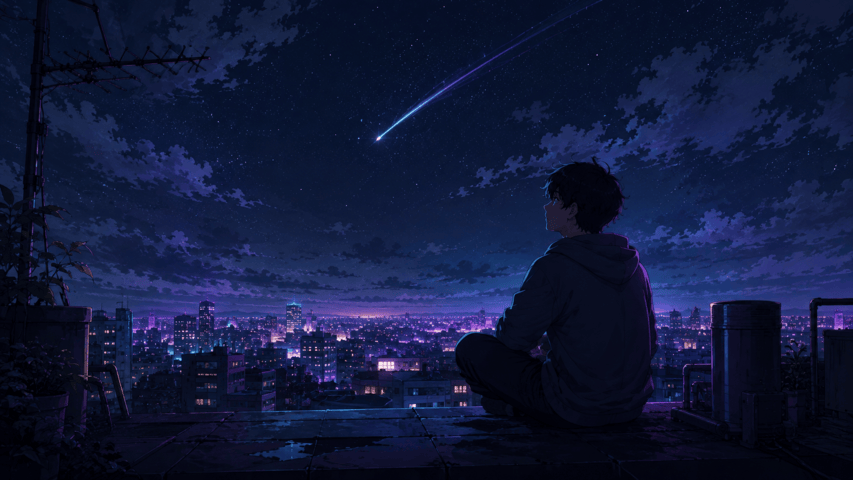
For every animated story we see, there are countless others that never make it beyond a sketchbook, storyboard, or creator’s imagination.
But this isn’t always because an artist lacks an idea or a story worth telling.
Historically, animation has required resources that many independent creators haven’t had access to: namely, significant capital, specialized talent, and production infrastructure. This has created an opportunity gap between vision and the ability to execute it. The result is that artists with heavyweight, institutional backing tend to have their stories made, while independent artists have to find alternative routes. Or no routes at all.
That’s why, to me, closing the opportunity gap is one of the most exciting possibilities AI has created.
The artistry and global influence of Japanese anime
There's now an opening for small bands of animation artists and for independent solo creators with stories to tell to bring their ideas to life with the help of AI. Expanding who can make production-ready animation shouldn’t come at the expense of respecting the craft of storytelling that made the medium powerful in the first place. Nowhere is that need clearer than in traditional anime, which has shown for decades what happens when distinctive artistry, storytelling, and character are treated with extraordinary care.
Japanese anime is a clear example of what can happen when artists develop a distinctive creative language around the tools and constraints available to them.
Over decades, anime storytelling has developed its own approach and visual language that audiences have come to love across cultures, languages, and generations.
Rather than trying to make every part of every frame move, artists became highly deliberate about the particular movement that mattered most, using stillness, composition, expressive character design, editing, sound, and carefully chosen moments of motion to carry a scene.
Those techniques became part of a visual language that is now instantly recognizable around the world.
Today, the influence of anime and its storytelling are difficult to overstate. In 2026, Japan's anime market is expected to reach an estimated $41B in market value. More than half of that revenue came from outside Japan.
Protecting artistic decision-making
What will make animation projects compelling in the AI era is not how well they can replicate legendary Japanese or Western works. As mentioned above, these works have an intentionality and vision to every frame, something incredibly difficult (and time-consuming) to recreate purely through AI.
Anime artists themselves notice just how much their artistic decision-making matters when crafting a series or a scene. And how difficult this would be to replicate with AI.
When asked whether he was worried about the rise of generative AI, Studio Ghibli co-founder Toshio Suzuki said:
“When [Ghibli-style AI images] first started showing up online, I got asked about it a lot. But I figured everyone would get tired of them pretty quickly. Sure enough, that’s what’s happened.”
Toshio’s assumption that audiences would get bored of replication is pragmatic, especially when you consider how much goes missing from an animation without artistic intentionality. Beauty and polish are everywhere today, but without intent, they often look and feel hollow in the light.
In Studio Ghibli’s case, human stories that blend fantasy with everyday life are unique in their tone and execution. A moving image in the style of Ghibli does not recreate the feeling that, for instance, Spirited Away brought and continues to bring to global audiences.
That’s because a visual style is only one piece of a larger creative effort. Hand-drawn anime is a symphony of animation: crafted meticulously frame by frame, composed over years, and brought to life by hundreds of dedicated artists, with the power to move audiences across cultures and generations.
But nothing amazing comes to life without a price. And for traditional anime, it is precisely the scale and artistic complexity of these projects that have made it challenging for small teams and new creators to break through.
So the question is: if traditional anime is a symphony of creativity, what is the garage-band version of that?
We imagine a world where small bands or solo anime storytellers with amazing artistic vision can bring new animation to life that pays homage to the work of masters without each of them diminishing the other. And we believe we can now do that with responsible and surgical use of new technology.
How AI technology extends creative vision, not replaces it
That philosophy has shaped how we built AIDA, our creativ§§§§§e workbench of AI-enabled animation tools.
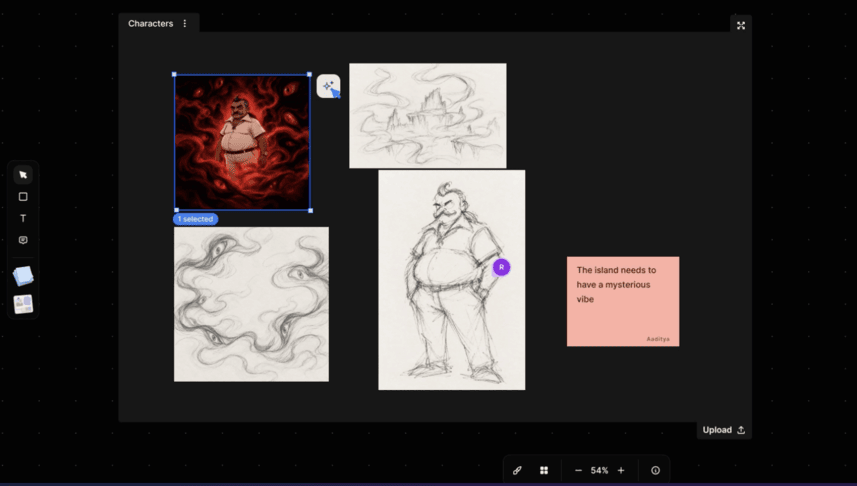
We didn’t ask ourselves what the fastest way was to create visually spectacular shots with flying dinosaurs and superhero battle scenes. Spectacle is great when it serves a story. So we started by asking how we could help close the opportunity gap in animated storytelling by creating a product that gives creators tools to craft full characters, stories, and worlds while retaining artistic control and vision throughout the process.
Here’s how AIDA does that:
By helping creators develop an idea without taking ownership of it: AIDA can suggest scene structures, camera choices, and ways to translate an idea into individual shots, but it explains those suggestions and waits for the creator to validate, redirect, or reject them. The artist remains the decision-maker.
Turning visual direction into something executable: Instead of relying on prompt-writing to determine the result, Studio Workbench asks creators to work through references, thumbnails, and sketches. Those visual decisions become the foundation for image and video generation, so the technology is executing against an established creative vision rather than inventing one.
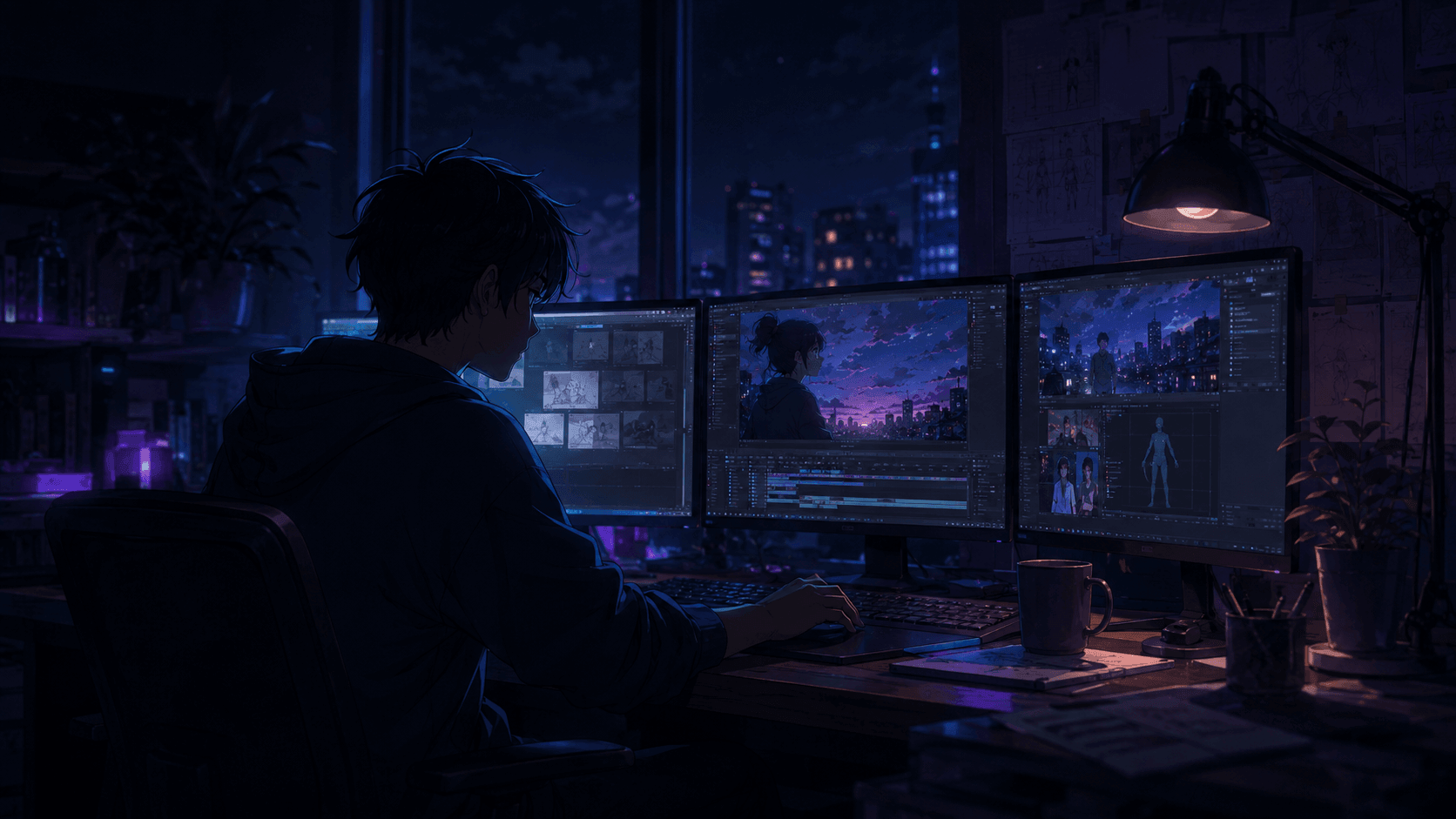
Helping to carry the creator’s choices through the entire production process: Characters, environments, visual language, scenes, and shots remain connected as the project moves from world-building into production.
The new frontier of animation
The opportunity in front of creators isn’t to copy an animation style they already love and to build stories as quickly and cheaply as they can. It’s to give more artists the ability to make work that could only have come from them.
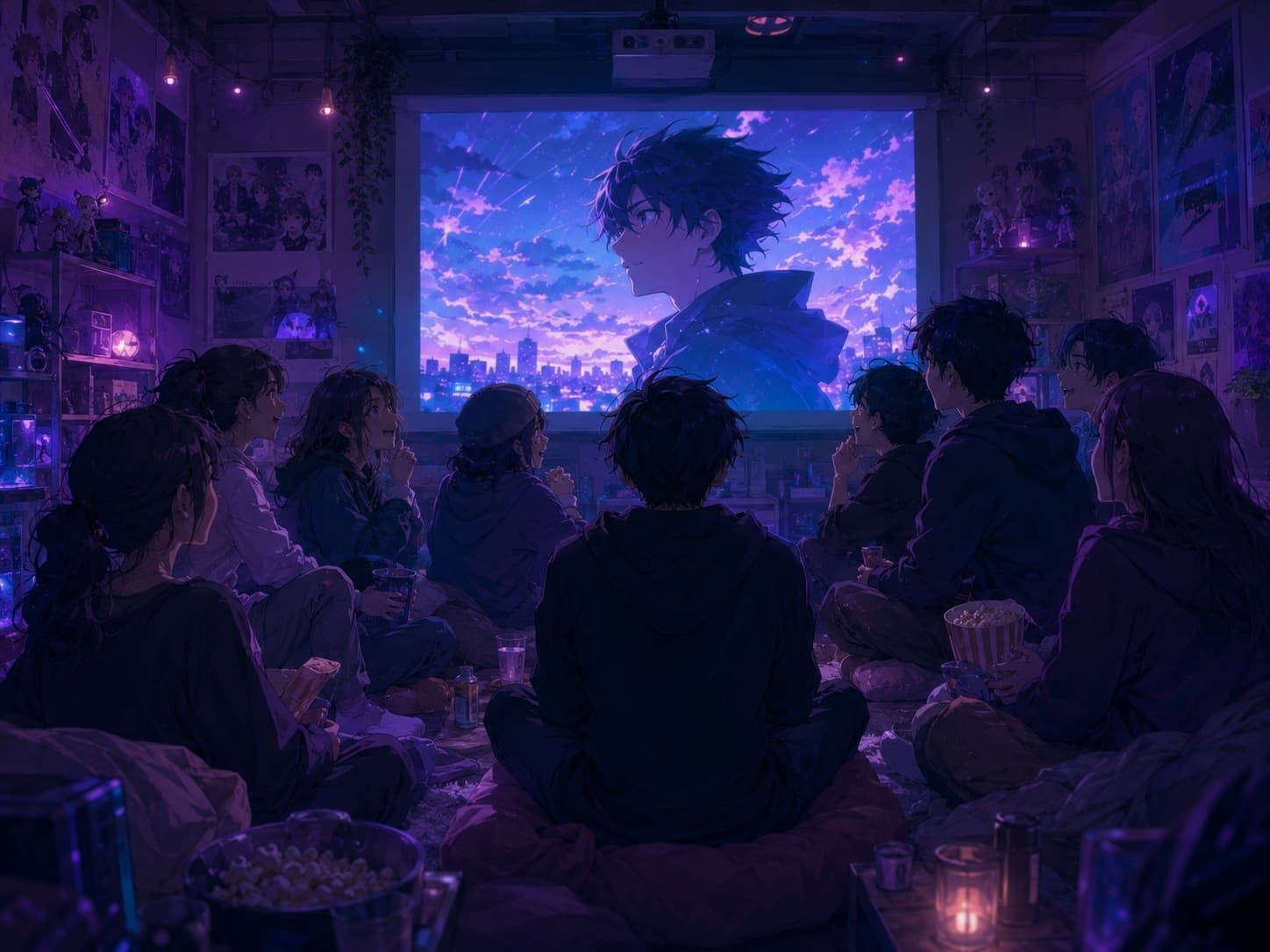
Just as the synthesizer gave musicians access to sounds they couldn’t previously create without an orchestra, AI can give small teams and solo creators access to production capabilities that once belonged almost exclusively to major studios. But the tool still needs an artist behind it: someone with a point of view, characters worth caring about, and the willingness to make hundreds of deliberate choices in service of a story.
That is the new frontier of animation we’re excited about at Studio Jadu: not less human involvement, but more human vision.
Want to see how this fits into the bigger Studio Jadu vision? Read What has Studio Jadu been building and why?, where we explore what comes after creation: distribution, fandom, and monetization.
New tools, human vision: A next frontier for animation
by Masoud Loghmani • October 14, 2026
For every animated story we see, there are countless others that never make it beyond a sketchbook, storyboard, or creator’s imagination.
But this isn’t always because an artist lacks an idea or a story worth telling.
Historically, animation has required resources that many independent creators haven’t had access to: namely, significant capital, specialized talent, and production infrastructure. This has created an opportunity gap between vision and the ability to execute it. The result is that artists with heavyweight, institutional backing tend to have their stories made, while independent artists have to find alternative routes. Or no routes at all.
That’s why, to me, closing the opportunity gap is one of the most exciting possibilities AI has created.
The artistry and global influence of Japanese anime
There's now an opening for small bands of animation artists and for independent solo creators with stories to tell to bring their ideas to life with the help of AI. Expanding who can make production-ready animation shouldn’t come at the expense of respecting the craft of storytelling that made the medium powerful in the first place. Nowhere is that need clearer than in traditional anime, which has shown for decades what happens when distinctive artistry, storytelling, and character are treated with extraordinary care.
Japanese anime is a clear example of what can happen when artists develop a distinctive creative language around the tools and constraints available to them.
Over decades, anime storytelling has developed its own approach and visual language that audiences have come to love across cultures, languages, and generations.
Rather than trying to make every part of every frame move, artists became highly deliberate about the particular movement that mattered most, using stillness, composition, expressive character design, editing, sound, and carefully chosen moments of motion to carry a scene.
Those techniques became part of a visual language that is now instantly recognizable around the world.
Today, the influence of anime and its storytelling are difficult to overstate. In 2026, Japan's anime market is expected to reach an estimated $41B in market value. More than half of that revenue came from outside Japan.
Protecting artistic decision-making
What will make animation projects compelling in the AI era is not how well they can replicate legendary Japanese or Western works. As mentioned above, these works have an intentionality and vision to every frame, something incredibly difficult (and time-consuming) to recreate purely through AI.
Anime artists themselves notice just how much their artistic decision-making matters when crafting a series or a scene. And how difficult this would be to replicate with AI.
When asked whether he was worried about the rise of generative AI, Studio Ghibli co-founder Toshio Suzuki said:
“When [Ghibli-style AI images] first started showing up online, I got asked about it a lot. But I figured everyone would get tired of them pretty quickly. Sure enough, that’s what’s happened.”
Toshio’s assumption that audiences would get bored of replication is pragmatic, especially when you consider how much goes missing from an animation without artistic intentionality. Beauty and polish are everywhere today, but without intent, they often look and feel hollow in the light.
In Studio Ghibli’s case, human stories that blend fantasy with everyday life are unique in their tone and execution. A moving image in the style of Ghibli does not recreate the feeling that, for instance, Spirited Away brought and continues to bring to global audiences.
That’s because a visual style is only one piece of a larger creative effort. Hand-drawn anime is a symphony of animation: crafted meticulously frame by frame, composed over years, and brought to life by hundreds of dedicated artists, with the power to move audiences across cultures and generations.
But nothing amazing comes to life without a price. And for traditional anime, it is precisely the scale and artistic complexity of these projects that have made it challenging for small teams and new creators to break through.
So the question is: if traditional anime is a symphony of creativity, what is the garage-band version of that?
We imagine a world where small bands or solo anime storytellers with amazing artistic vision can bring new animation to life that pays homage to the work of masters without each of them diminishing the other. And we believe we can now do that with responsible and surgical use of new technology.
How AI technology extends creative vision, not replaces it
That philosophy has shaped how we built AIDA, our creativ§§§§§e workbench of AI-enabled animation tools.
We didn’t ask ourselves what the fastest way was to create visually spectacular shots with flying dinosaurs and superhero battle scenes. Spectacle is great when it serves a story. So we started by asking how we could help close the opportunity gap in animated storytelling by creating a product that gives creators tools to craft full characters, stories, and worlds while retaining artistic control and vision throughout the process.
Here’s how AIDA does that:
By helping creators develop an idea without taking ownership of it: AIDA can suggest scene structures, camera choices, and ways to translate an idea into individual shots, but it explains those suggestions and waits for the creator to validate, redirect, or reject them. The artist remains the decision-maker.
Turning visual direction into something executable: Instead of relying on prompt-writing to determine the result, Studio Workbench asks creators to work through references, thumbnails, and sketches. Those visual decisions become the foundation for image and video generation, so the technology is executing against an established creative vision rather than inventing one.
Helping to carry the creator’s choices through the entire production process: Characters, environments, visual language, scenes, and shots remain connected as the project moves from world-building into production.
The new frontier of animation
The opportunity in front of creators isn’t to copy an animation style they already love and to build stories as quickly and cheaply as they can. It’s to give more artists the ability to make work that could only have come from them.
Just as the synthesizer gave musicians access to sounds they couldn’t previously create without an orchestra, AI can give small teams and solo creators access to production capabilities that once belonged almost exclusively to major studios. But the tool still needs an artist behind it: someone with a point of view, characters worth caring about, and the willingness to make hundreds of deliberate choices in service of a story.
That is the new frontier of animation we’re excited about at Studio Jadu: not less human involvement, but more human vision.
Want to see how this fits into the bigger Studio Jadu vision? Read What has Studio Jadu been building and why?, where we explore what comes after creation: distribution, fandom, and monetization.